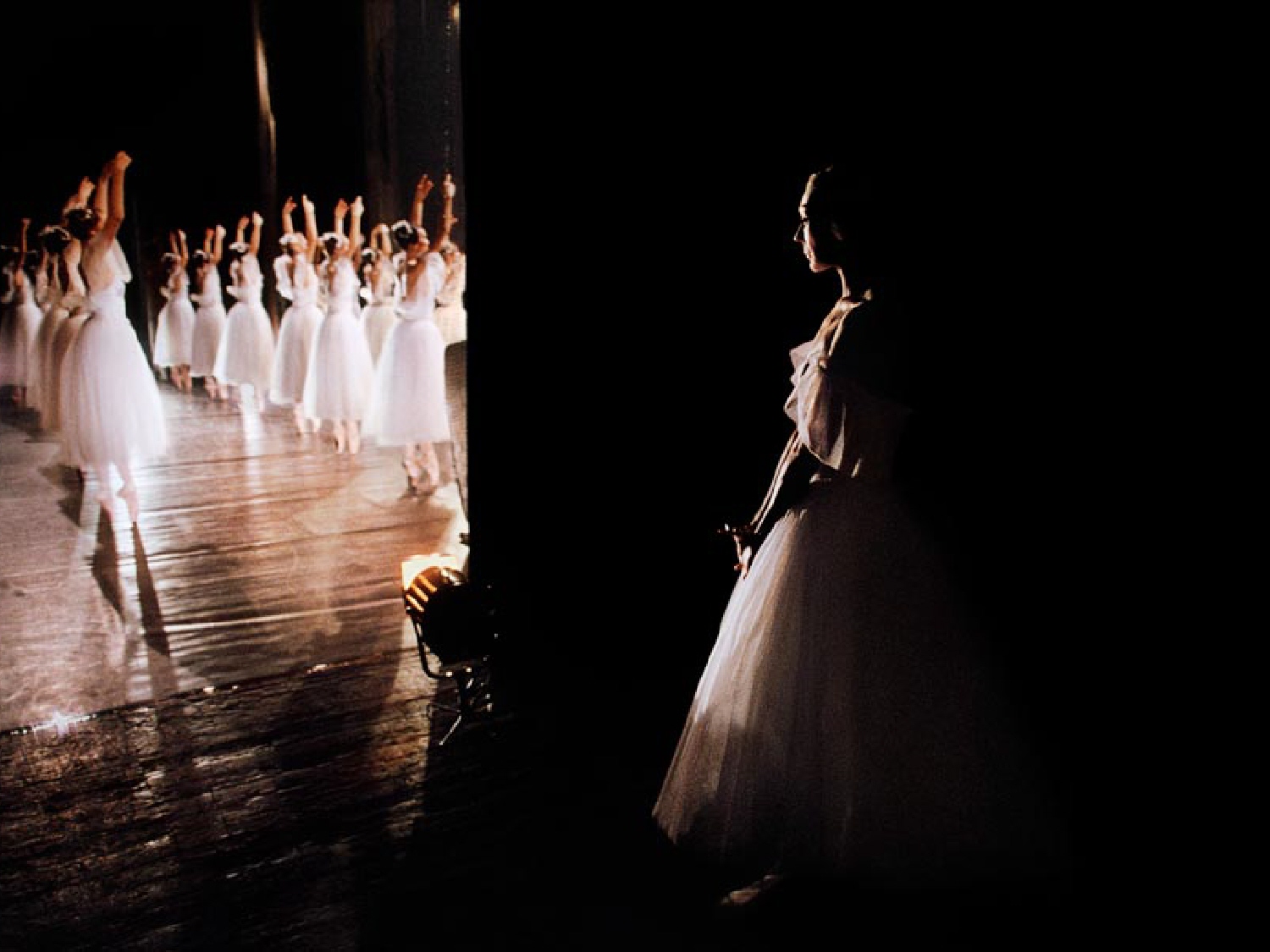
I am sorry this photo has absolutely nothing to do with the rest of this blog post...until I find a 'chute'.
That's the risk of lazy Googling.
WTF I love ballet.
I was curious to read a fairly recent article about #rhizo14 and I went off to download the aforementioned article.
It was in pdf format.
I wanted to annotate it, as I read, to spark ideas from the margins or just overcome boredom.
I turned to the hypothes.is application which I have started to use more thanks to the learning company of Terry Elliott, Kevin Hodgson, Joe Dillon, Sarah Honeychurch, and Tania Sheko.
A video about hypothes.is can be viewed below:
I wanted to annotate the article in pdf format with others so I asked Sarah Honeychurch to join in.
Then started a tortuous learning path into the functioning of the application with pdfs.
If you have a webpage url - its dead easy.
With the extension activated you simply annotate and you can share your page with annotations.
Here is an example of annotation of one of my blog posts with images from master annotater Terry Elliott: https://via.hypothes.is/http://tachesdesens.blogspot.com/2016/02/target-practice.html
You can share the link as above and if the annotations are public you can then join in and annotate with the aforesaid Chrome browser extension.
In the case of pdfs, you first need to download a pdf.
Then you need to check the extension settings to make sure you can annotate files locally.
Next you drag the file to your Chrome brower.
You then annotate as usual.
What is strange is that when you first open a pdf file (your copy on your hard disk) that someone has annotated you think that the annotations will be linked to a specific url.
Your pdfs will be completely different downloaded copies.
However if you and your friend have your local copy and both have hypothes.is activated you can annotate collaboratively.
When you first open the pdf you will see NOTHING has been annotated. (this stumped me for hours)
However if you do one annotation and refresh the page you will magically see all the previous annotations of the pdf appear.
In other words you may have 30 people with 30 different copies of the pdf and there will be one set of annotations for the same pdf. (At least this is my hypothesis for today - I have only tested this with Sarah).
Of course this might have disadvantages...
I suppose it would be possible simply to define a group rather than publish publicly to get round any problems here...
So here is a pdf link to download which we have already worked on:
http://ajet.org.au/index.php/AJET/article/view/2486/1342
If you are interested in #rhizo14 or rhizomatic learning research come and join in.
If not don't waste your time.
So I didn't waste my time reading and annotating the article.
One might even say that a solidly arboreal article has been connected to Deleuzian and Guattarian concepts with a few flaky lines of flight.
I have been learning in the wings....
I regret I shall never be a ballerina.
PS
Here are some notes (very tree-like) on the syncronisation of local and web pdf files.
https://hypothes.is/blog/synchronizing-annotations-between-local-and-remote-pdfs/
Footnote
[for definitions of the French term 'chute' here is some more French: https://fr.wikipedia.org/wiki/Chute]