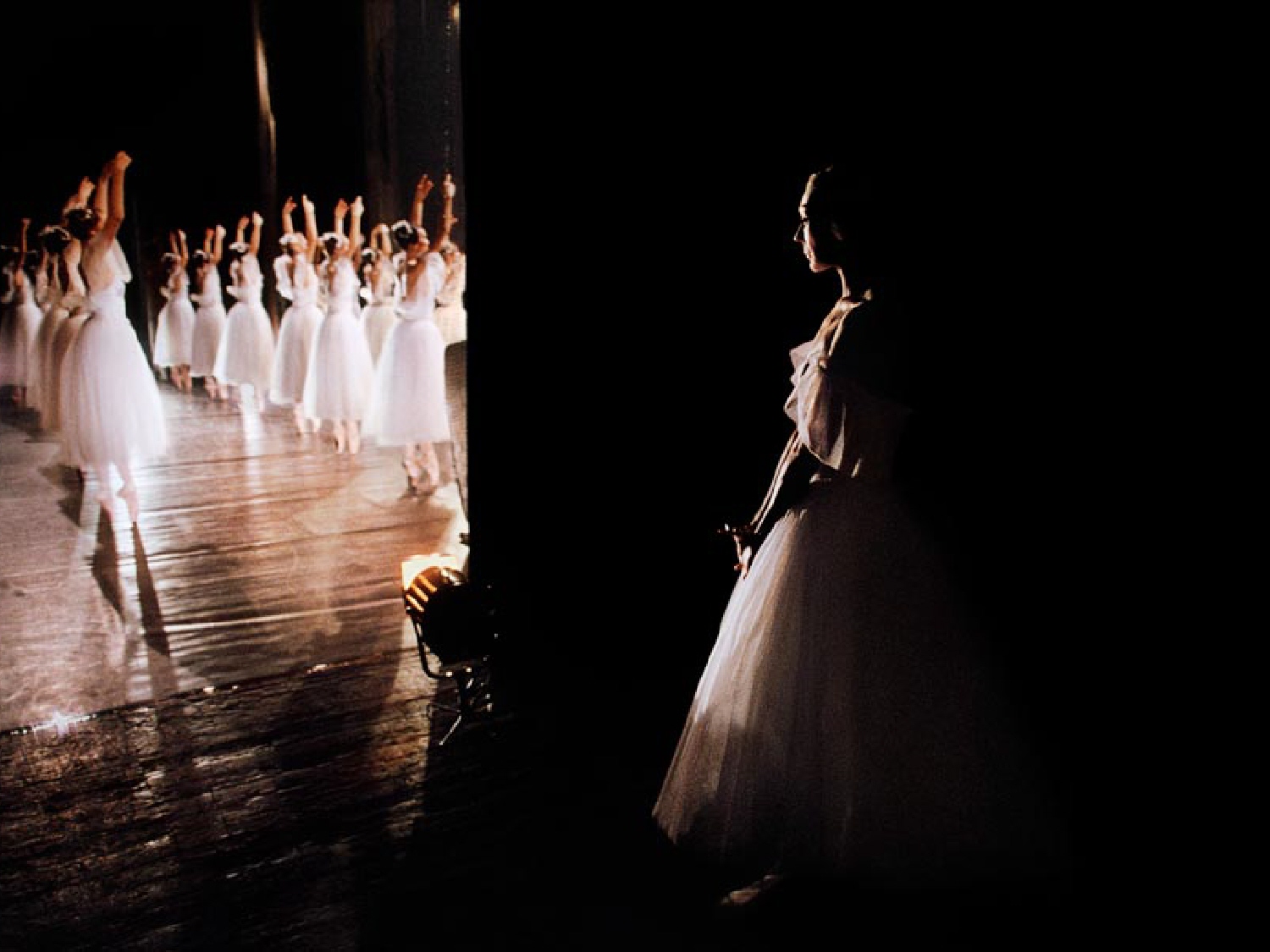
I sighed a well of tears,
She gagged...
***********
Quelle chute?
THAT PUNCH.
*********
STARS.
I saw them coming.
**********
SOB.
SNIFF.
A lign.
*********
Write.
OH WRY ON.
Our comic's laugh.
Ho, Ho?
************
NOPE!
DOPE!
HOPE?
LESS?
***********
"Well, come in." bellows, Saunter Claws.
XMAS GIFTS?
An empty sock.
*************
VALENTINES?
HIS BROKEN ART.
NEON.
NEANT.
NEANT.
BAR GAIN?
NONE.
*********
They'll be selling Easter trees.
High prices nailed on be.
***********
BAR CODES
BAR LOSS.
DRINK UP.
BOTTOM's DOWN.
WRANKLE.
WRINKLE.
WRIGGLE.
WORM.
UGH.
UGH.
***********
Oh, margins maketh man.
Marbles, baubles, foibles.
HO!
Margins maketh man.
***********
Weren't Easter trees a cross?
Sweet Jesus seed a buy.
They'll come in tasteful colours.
Their merchandise spears...
Proud Mary's tears.
FOR MARGINS MAKETH MAN.
HOLLAH!
************
SORRY
GAWD.
Sorry.
*************
Oh fuck it.
PLEASE!!
*************
Save your wails.
I be beached...
You'll get my drift.
****************
All hallows will be flogged.
Shall flailing souls be sold?
Our bodies ripped, those pouted lips.
We all be ground 4 basement filler.
Or smoke.
*************
"Oh, margins maketh man, my man."
HIS.
HERS.
WOAHH MAN.
************
He glimpsed her Easter card.
Bunny boned in greasy book.
Booked, he felt a guilty pang.
*************
BABY'S BAWL CAPITAL
Her written scrawl.
miniscule.
His widow's shawl.
********
RIDICULE.
*********
Who will give a toss?
When we are boxed...
When we are bartered...
Where we are bound...
**********
SHE
LEFT.
HE.
WRITES.
AWRITHES.
Ablinking.
Ableeding.
Apuking pus in a can.
OH! MARGINS MAKETH MAN.

Footnotes
Manners make the man / Manners maketh man
Meaning:
Today this expression broadly means that your mannerisms and characteristics make you who you are, that is to say people are judged by their manners and conduct. But in its earliest use, as manners maketh man, it likely had a broader meaning--that manners make us human - that politeness and etiquette are what prevent us from falling into savagery.
Background:
The Random House Dictionary of America's Popular Proverbs and Sayings traces manners maketh man to the middle of the 14th century but without citing a specific reference. The earliest reference BookBrowse could find was in the work of William Horman who was headmaster of Eton and then Winchester in the late 15th century. Winchester College still retains "manners makyth man" as its motto, as does New College, Oxford, both of which were founded by William of Wykeham, Bishop of Winchester, in the 14th century.
The Vulgaria, a Latin textbook published in 1519, is considered the most important of Horman's surviving works. It is a collection of English phrases with their Latin translations with a strong leaning towards topics such as manners, religion and natural history. Vulgar is Latin for "common" or "pertaining to the common/ordinary people." Thus vulgaria essentially translates as "common things" or "everyday sayings", as such it's safe to assume that most if not all of the expressions in the book were in common use at the time.
In addition to being an early record of the expression "manners maketh man", Horman's Vulgaria contains the earliest known reference to "necessity is the mother of invention," (mater artium necessitas).
The Vulgaria, a Latin textbook published in 1519, is considered the most important of Horman's surviving works. It is a collection of English phrases with their Latin translations with a strong leaning towards topics such as manners, religion and natural history. Vulgar is Latin for "common" or "pertaining to the common/ordinary people." Thus vulgaria essentially translates as "common things" or "everyday sayings", as such it's safe to assume that most if not all of the expressions in the book were in common use at the time.
In addition to being an early record of the expression "manners maketh man", Horman's Vulgaria contains the earliest known reference to "necessity is the mother of invention," (mater artium necessitas).